


Hawaiian Snacks vs Mainland Alternatives: A Complete Comparison

Table of Contents
Hawaiian Snacks vs Mainland Alternatives: Key Differences
Flavor Profiles and Ingredient Quality
Price and Value Comparison
Shipping, Storage, and Shelf Life
Popular Hawaiian Snacks and Their Mainland Counterparts
Chocolate-Covered Macadamia Nuts
Shortbread Cookies and Butter Crackers
Mochi, Haupia, and Coconut Sweets
Savory Snack Mixes and Island Popcorn
Hawaiian Snacks to Ship: Packability and Travel-Friendly Options
Best Snacks for Long-Distance Shipping
Freshness Guarantees and Packaging
Healthier Hawaiian Snacks vs Mainstream Options
Unsweetened and Lower-Sugar Alternatives
Allergen and Dietary Considerations
Where to Buy Authentic Hawaiian Snacks Online
Snack Comparison Table: Hawaiian vs Mainland at a Glance
Why Choose Hawaiian Over Mainland Snacks: The Real Value
Frequently Asked Questions
Last Updated: October 11, 2026
Hawaiian Snacks vs Mainland Alternatives: Key Differences
When comparing Hawaiian snacks vs mainland snack alternatives, the choice depends on what you value: bold, layered flavors rooted in local baking traditions, or convenience and familiarity.
Hawaiian snacks feature complex seasoning profiles, locally sourced ingredients like macadamia nuts and coconut, and production methods passed down through generations. Mainland snacks prioritize consistency, shelf stability, and mass-market appeal.
Flavor Profiles and Ingredient Quality
Hawaiian snacks deliver bold, layered flavors: tangy li hing mui candy, savory Maui onion chips with genuine island seasoning, and shortbread infused with local butter and vanilla.
Mainland snacks use predictable flavors engineered for broad appeal. Hawaiian snacks embrace bolder tastes. A chocolate-covered macadamia nut from a local maker tastes different because the nut is fresher and the chocolate coating thinner, letting the nut's richness shine through.
Local Hawaiian producers source macadamia nuts, coconut, and sea salt directly from island suppliers. Mainland manufacturers use commodity chains, meaning longer storage times and less freshness control.
Price and Value Comparison
Hawaiian snacks cost more per ounce than mass-produced mainland alternatives.
The question is whether flavor and quality justify the premium. For gifts or bold flavor preferences, Hawaiian snacks often feel worth it. For everyday snacking on a budget, mainland options make more sense.
Shipping adds cost, but bulk orders and subscriptions reduce per-item expenses. Snacks Galore Hawaii offers free U.S. shipping on orders over $75 and subscription boxes, improving value for regular buyers.
Shipping, Storage, and Shelf Life
Hawaiian snacks travel 2,000+ miles, requiring protective packaging with moisture barriers. Quality packaging prevents stale cookies or melted chocolate.
Shelf life varies: chocolate-covered macadamia nuts last longer than moisture-sensitive mochi; hard candies like li hing mui last months; popcorn mixes stay crisp if stored properly.
Hawaiian snacks with coconut or macadamia nuts need cool, dry storage; some require refrigeration after opening. Mainland snacks tolerate warmer environments better.
Popular Hawaiian Snacks and Their Mainland Counterparts

The best way to understand the difference is to see how specific Hawaiian products stack up against what you can find elsewhere.
Chocolate-Covered Macadamia Nuts
Chocolate-covered macadamia nuts are Hawaii's signature snack, featuring a whole nut with thin chocolate shell, often with sea salt or coffee flavoring.
Mainland equivalents are chocolate-covered almonds or cashews. Macadamia nuts are buttery and delicate, overwhelmed by thick chocolate; almonds are firmer and handle heavier coatings.
Hawaiian versions feature local touches: sea salt, Kona coffee, or local vanilla. Mainland versions use standard pairings.
Shortbread Cookies and Butter Crackers
Hawaiian shortbread, particularly from brands with deep local roots, uses high-quality butter and often includes macadamia nuts or coconut. The texture is crisp and buttery, with a slight sweetness.
Mainland shortbread ranges widely in quality. Mass-market versions use vegetable shortening instead of butter, which cuts costs but changes the flavor and texture. Premium mainland shortbread exists but often comes from European producers, not domestic ones.
The real difference: Hawaiian shortbread feels like a gift. It's packaged carefully, tastes intentional, and carries the story of local baking traditions. Mainland shortbread is often functional, good, but not memorable.
Mochi, Haupia, and Coconut Sweets
Mochi is a chewy rice cake, often filled with fruit, ice cream, or sweet bean paste. Haupia is a creamy coconut custard dessert. Both are Hawaiian staples with no direct mainland equivalent.
You can find mochi in mainland Asian markets, but Hawaiian versions emphasize local flavors: passion fruit, guava, coconut.
These products don't have true mainland counterparts. If you want them, you're buying Hawaiian. The question is whether you source them locally (if you live in Hawaii) or order them shipped.
Savory Snack Mixes and Island Popcorn
Hawaiian popcorn mixes, particularly Hurricane Popcorn and similar brands, combine sweet and savory flavors in ways mainland snack mixes rarely do. Think honey-roasted with a hint of sea salt, or spicy with garlic and local seasoning.
Mainland popcorn mixes exist, but they tend toward familiar flavors: butter, caramel, cheddar. Hawaiian versions embrace bolder combinations because they're designed for people seeking something different.
Similarly, Maui onion chips have no true mainland equivalent. You can find onion-flavored potato chips anywhere, but Maui onion carries a specific sweetness and depth that comes from the soil and climate.
Hawaiian Snacks to Ship: Packability and Travel-Friendly Options
Not all Hawaiian snacks travel well. Some arrive stale. Others melt or absorb moisture. Knowing which products handle long-distance shipping helps you order with confidence.
Best Snacks for Long-Distance Shipping
Hard candies and dried sweets ship best. Li hing mui candy, chocolate-covered macadamia nuts, and shortbread cookies all survive 2,000-mile journeys intact. Popcorn mixes stay crisp if packaged properly.
Mochi and haupia are riskier. They're moisture-sensitive and can become gummy or hard depending on humidity and temperature during transit. If you're ordering these, choose producers who use climate-controlled packaging or expedited shipping to minimize travel time.
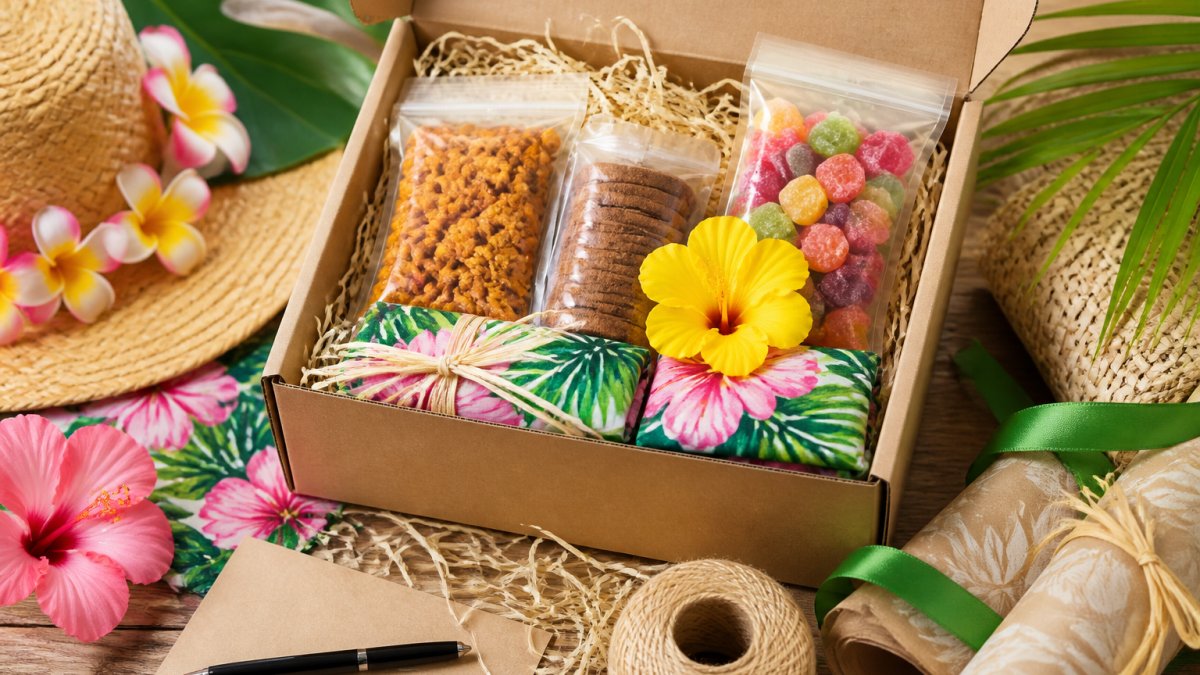
The safest approach: order products designed for gifting. Snacks Galore Hawaii and similar producers package items specifically for shipping, which means protective layers, moisture barriers, and careful handling instructions.
Freshness Guarantees and Packaging
Quality producers stand behind their products. Many offer freshness guarantees, if snacks arrive stale or damaged, they'll replace them. Read the fine print before ordering.
Packaging matters more than you'd think. Look for individual wrapping (which protects against moisture), sealed boxes (which prevent crushing), and insulation (which manages temperature swings during transit). Snacks Galore Hawaii includes these protections in their boxes.
Store snacks properly when they arrive. Keep them in cool, dry conditions. Some products benefit from refrigeration after opening. Follow the producer's storage recommendations to extend shelf life.
Healthier Hawaiian Snacks vs Mainstream Options
If you're watching sugar intake or managing allergies, Hawaiian snacks offer some advantages, and some challenges.
Unsweetened and Lower-Sugar Alternatives
Many Hawaiian snack producers now offer unsweetened coconut chips, nuts without added sugar, and savory mixes that skip the honey coating. These options exist on the mainland too, but Hawaiian versions often emphasize natural flavors more deliberately.
Unsweetened macadamia nuts, for instance, let the nut's natural richness shine without added sweetness. Savory popcorn mixes with sea salt and garlic deliver bold flavor without sugar.
That said, many traditional Hawaiian snacks are sweet. Haupia, mochi, and li hing mui candy all contain sugar. If you're strictly limiting sugar, read labels carefully.
Allergen and Dietary Considerations
Macadamia nuts, coconut, and sesame appear frequently in Hawaiian snacks. If you have allergies, this matters. Many mainland snacks use peanuts or tree nuts differently, so cross-contamination risks vary.
Gluten appears in many shortbread cookies and some popcorn mixes. Vegan options are limited in traditional Hawaiian snacks because many use butter, eggs, or honey. If you have strict dietary requirements, check with the producer before ordering.
The advantage of smaller, specialized producers: they often accommodate dietary needs better than mass manufacturers.
Where to Buy Authentic Hawaiian Snacks Online
Finding genuine Hawaiian snacks online requires knowing where to look. Not all "Hawaiian-flavored" products are actually made in Hawaii or use authentic methods.
Reputable online sources include dedicated Hawaiian snack producers who source locally and use traditional recipes. Snacks Galore Hawaii specializes in this, handcrafted snacks rooted in local baking traditions, shipped nationwide with free U.S. delivery on qualifying orders.
When evaluating any online source, look for:
Clear sourcing information (are ingredients sourced from Hawaii?)
Production details (are snacks handcrafted or mass-produced?)
Shipping and freshness guarantees
Customer reviews mentioning freshness and authenticity
Transparent pricing and shipping costs
Avoid sellers who vaguely claim "Hawaiian flavor" without specifying where products are made. The difference between "made in Hawaii with local ingredients" and "Hawaiian-flavored snacks made elsewhere" is substantial.
Snack Comparison Table: Hawaiian vs Mainland at a Glance
Snack Type | Hawaiian Version | Mainland Equivalent | Best For | Shipping Suitability |
Chocolate-Covered Nuts | Macadamia with thin chocolate, sea salt or Kona coffee | Chocolate-covered almonds or cashews | Bold, delicate flavors | Excellent, hard to damage |
Shortbread Cookies | Butter-based with macadamia or coconut | Mass-market shortbread or premium European brands | Indulgent, artisanal treats | Very good, stays crisp |
Mochi & Haupia | Passion fruit, guava, or coconut-filled mochi; creamy haupia custard | Asian market mochi (different flavors) | Unique, dessert-like snacks | Fair, moisture-sensitive |
Popcorn Mixes | Hurricane Popcorn with honey, macadamia, sea salt | Standard butter, caramel, or cheddar mixes | Bold, sweet-savory combinations | Very good, stays crisp |
Savory Chips | Maui onion with local seasoning | Standard onion or salt-and-vinegar chips | Distinctive, bold flavor | Very good, stays crisp |
Candy | Li hing mui with sour, salty-sweet profile | Standard hard candies | Adventurous palates | Excellent, very stable |
Why Choose Hawaiian Over Mainland Snacks: The Real Value
The decision comes down to what matters to you. If you value bold, distinctive flavors and don't mind paying more for quality, Hawaiian snacks deliver.
But there's a middle ground many people miss. Hawaiian snacks aren't just about flavor, they're about story and intention.
For gifts, this matters. A box of authentic Hawaiian snacks tells a story. It says you chose something specific and thoughtful, not generic.
The real value of Hawaiian snacks vs mainland alternatives isn't that one is objectively better. It's that Hawaiian snacks serve a different purpose. They're for people seeking something beyond the ordinary.
Key Takeaway Hawaiian snacks deliver bolder, more complex flavors than mainland alternatives because they emphasize local ingredients and traditional production methods. The trade-off: higher cost and longer shipping times. For gifts, distinctive flavor preferences, or fundraising programs where quality matters, Hawaiian snacks win. For everyday snacking on a budget, mainland options are practical.
Frequently Asked Questions
What makes Hawaiian snacks different from mainland snacks?
Hawaiian snacks emphasize bold, layered flavors using local ingredients like macadamia nuts, coconut, sea salt, and island spices. Mainland mass-produced snacks typically rely on simpler seasoning and generic ingredients. Hawaiian snacks are often handcrafted with smaller batches, resulting in fresher products and more complex taste profiles. The difference is most noticeable in texture, seasoning depth, and ingredient quality, Hawaiian options generally avoid artificial flavors in favor of authentic, locally sourced components.
Which Hawaiian snacks are easiest to ship to the mainland?
Chocolate-covered macadamia nuts, shortbread cookies, and individually wrapped popcorn mixes ship exceptionally well because they have longer shelf lives and sturdy packaging that withstands transit. Mochi and coconut sweets also travel reliably when individually wrapped. Avoid moisture-sensitive items or those requiring refrigeration unless you choose expedited shipping. Check packaging for vacuum-sealed or individually wrapped portions, which protect freshness during multi-day delivery and reduce spoilage risk.
Are healthier Hawaiian snacks available as alternatives to sugary mainland options?
Yes. Unsweetened coconut chips, macadamia nuts without chocolate coating, and savory popcorn mixes made with sea salt and garlic offer nutritious alternatives to mainstream sugary snacks. Many Hawaiian snack makers now offer reduced-sugar or naturally sweetened versions using local ingredients. When comparing to mainland options, check labels for serving size, added sugars, and sodium content. Handcrafted Hawaiian snacks often contain fewer artificial additives than mainstream brands, making them a better choice for people with dietary restrictions or allergen concerns.
Why do Hawaiian snacks cost more than mainland alternatives?
Hawaiian snacks typically cost more due to smaller production batches, handcrafted preparation, premium local ingredients, and shipping costs from the islands. Mainland mass-produced snacks benefit from large-scale manufacturing and lower ingredient costs. The price difference reflects authenticity, freshness, and quality, Hawaiian snacks are made in smaller quantities to preserve flavor and texture. If you're comparing pricing, factor in freshness, ingredient sourcing, and handmade preparation rather than weight alone. Many customers find the flavor and quality justify the premium.
What mainland snacks are closest to popular Hawaiian treats?
Roasted almonds or cashews approximate macadamia nut flavor, though texture differs. Buttery shortbread cookies from specialty mainland bakeries compare to Hawaiian shortbread. Coconut macaroons are the closest mainland equivalent to Hawaiian coconut sweets, though island versions often feature more complex seasoning. For savory options, gourmet popcorn blends with sea salt and garlic mimic island-inspired flavors. However, no mainland equivalent perfectly replicates the bold, layered taste of authentic Hawaiian snacks, the local ingredients and preparation methods create a distinctly different product.
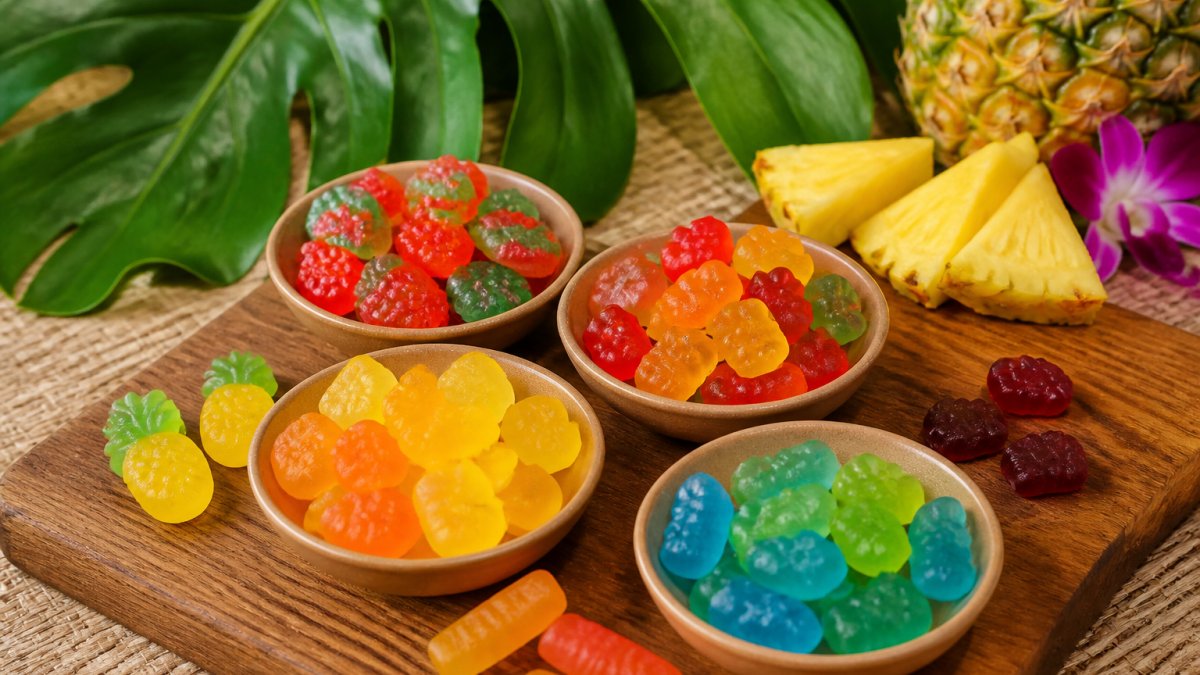
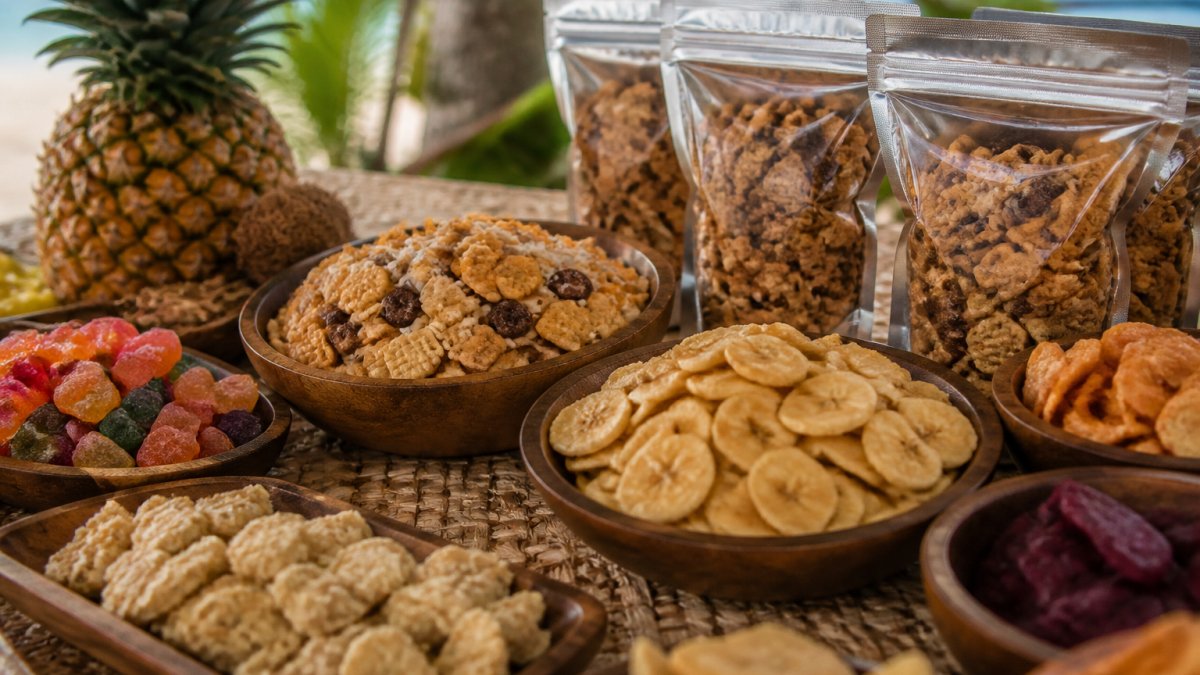
When you're ready to experience authentic Hawaiian snacks, Snacks Galore Hawaii offers handcrafted, island-inspired varieties, including sweet Chex mix and tangy gummies rooted in local baking traditions, shipped nationwide with free U.S. delivery on orders over $75. Browse custom gift boxes, monthly subscriptions, or explore our easy fundraising programs for schools and organizations. Learn more about authentic Hawaiian snack traditions and sourcing
Shop Now
Comments